
Specialty Champions
Specialty Champions were an initiative which was reintroduced during the 2024/2025 academic year which gave motivated students the opportunity to showcase the surgical specialty that they had a particular interest in.
The resource pages that they developed, shown below, are hoped to help their peers, medical students, gain a more informed insight on the clinical and academic aspects of each surgical discipline, to aid other in developing an understanding of the career they may aspire to pursue.
Specialty descriptions for this page have been taken from the Royal College of Surgeons England website, detailing the different surgical specialties, which may be found using this link: https://www.rcseng.ac.uk/careers-in-surgery/trainees/foundation-and-core-trainees/surgical-specialties/
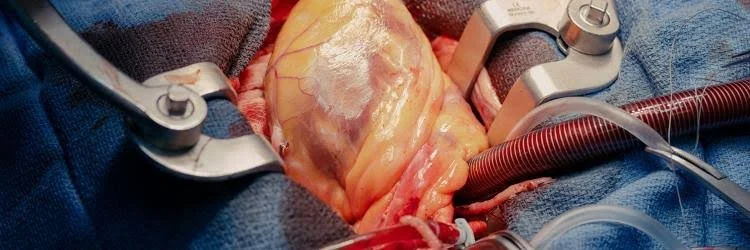
Cardiothoracic Surgery
This deals with illnesses of the heart, lungs, oesophagus and chest. These include: cardiac surgery (heart and great vessels), thoracic surgery (organs within the thorax, excluding the heart), transplantation and heart failure surgery, oesophageal surgery and congenital surgery in adults and children. Procedures tend to be major and often complex.
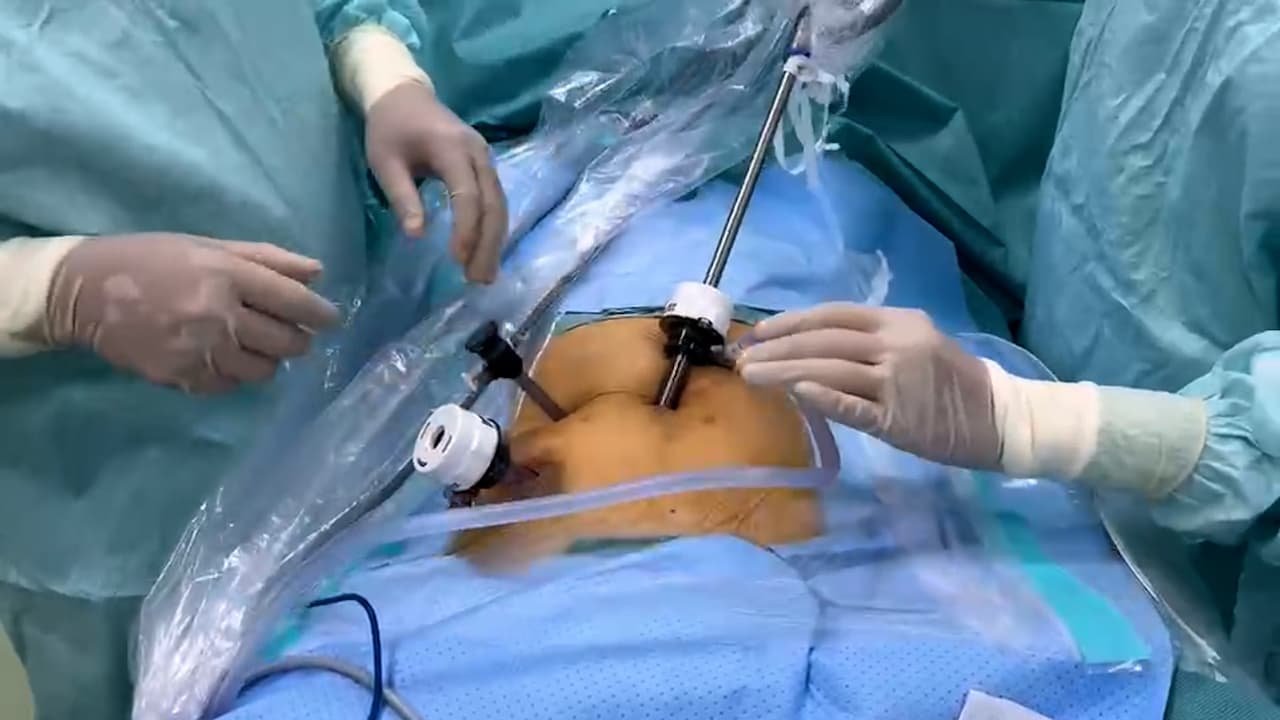
General Surgery
A large specialty containing many sub-specialties including: breast, colorectal, endocrine, upper and lower gastrointestinal (GI), transplant (of kidney, liver, pancreas) and vascular. Laparoscopic surgery may also be practised as a sub-specialty and is used across all general surgery.
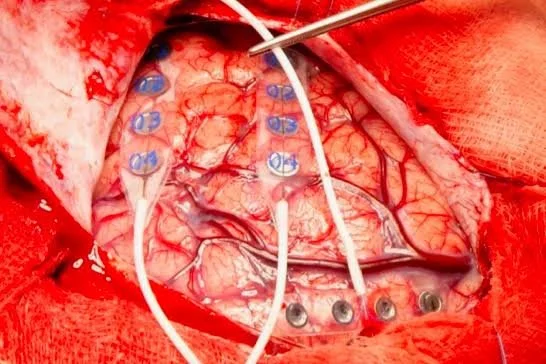
Neurosurgery
Involves the brain, central nervous system and spinal cord. It covers all aspects of brain surgery, from pre-operative imaging to removal of tumours. You may focus on: paediatric neurosurgery, neuro-oncology (treating cancer of the brain), functional neurosurgery (surgical management of a wide range of neurological problems, including intractable pain, epilepsy and movement disorders), traumatology, neurovascular surgery, skull-base surgery or spinal surgery.
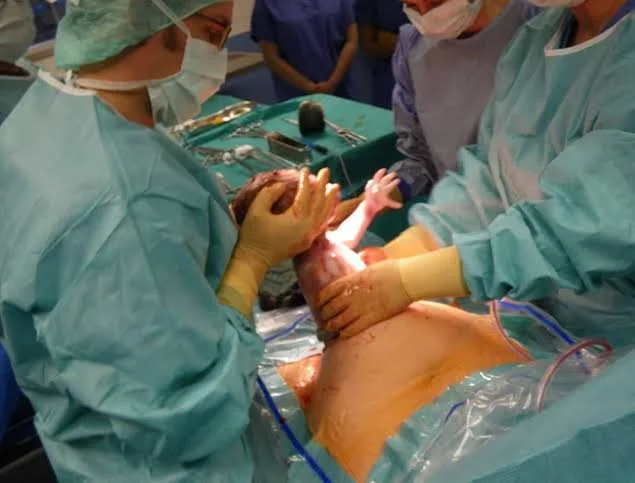
Obstetrics & Gynaecology
This specialty gives doctors a chance to play a part in some of the most significant and memorable moments of a woman’s life, be it pregnancy and childbirth, conception or the treatment of long-term gynaecological problems. The common link is women’s health: before, during and after the reproductive years. Doctors in this field must draw on both medical and surgical expertise
Oral & Maxillofacial Surgery
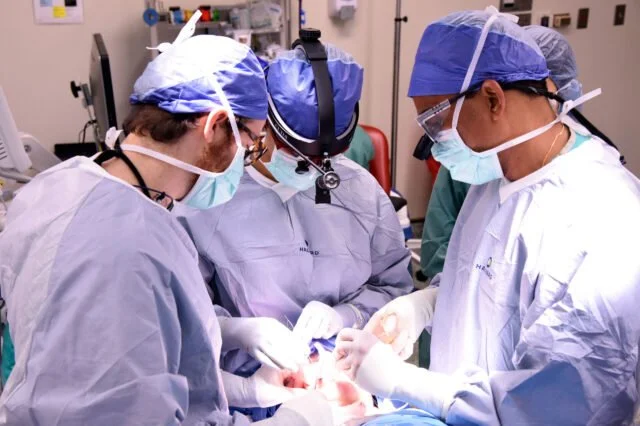
Works on the facial bones, face and neck. Procedures range from minor surgery to complex major head and neck surgery. Uniquely, OMFS involves surgery on both hard and soft tissue. Specialist areas include: head and neck oncology, adult facial deformity, orthognathic surgery, cleft surgery and facial trauma management
Otorhinolaryngology (ENT)
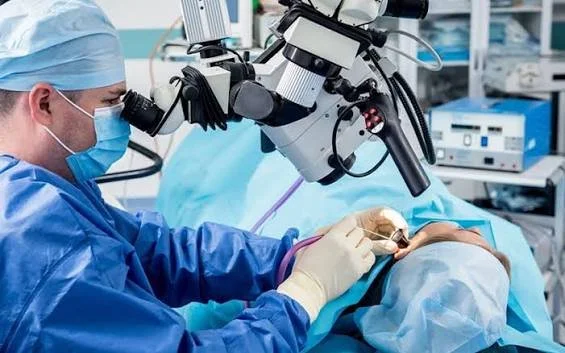
Includes all aspects of the head and neck region, skull base and facial plastic surgery. Specialist areas include: paediatric ENT, head and neck, voice and complex airway, otology (ear) and rhinology (nose). ENT manages surgical and medical disorders and involves many paediatric cases.
Paediatric Surgery
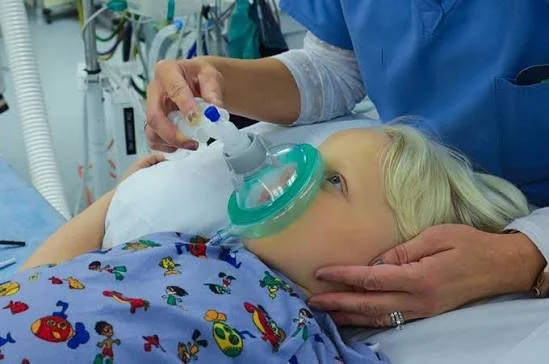
The surgical treatment of diseases, trauma and malformations of childhood years which encompasses foetal period to teenage years. Specialist areas include: neonatal surgery, urological surgery, hepatobiliary surgery, GI surgery and oncological surgery. Paediatric surgeons perform 11% of all operations on children. The remaining operations are performed mainly by surgeons from other specialties who have an interest in paediatric conditions.
Plastic Surgery
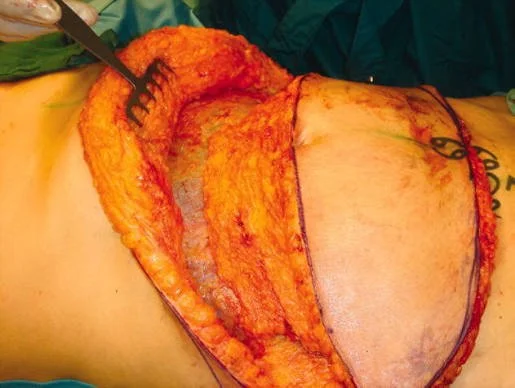
Involves the restoration of normal form and function; 80% of all plastic surgery is reconstructive. Urgent and emergency work may include: hand trauma, burns and scalds, and soft tissue injuries involving face, trunk or limbs.
Elective cases may include: reconstructive surgery for congenital and acquired abnormalities, cleft lip and palate and other facial deformities, breast reconstruction, reduction and augmentation, or hand and upper limb surgery.
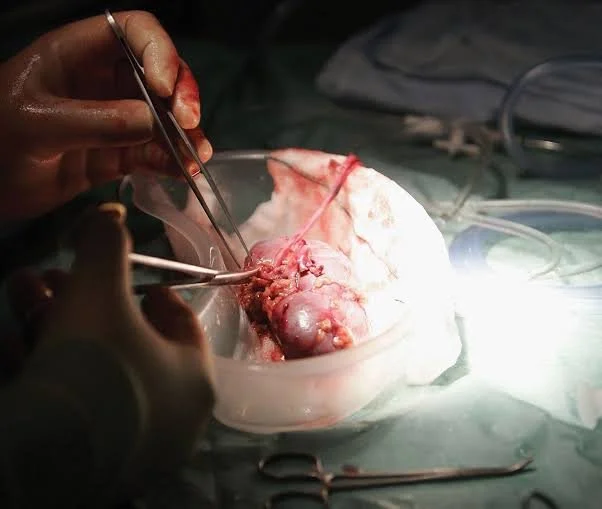
Transplant Surgery
Transplant surgery entails operations that involve the removal of a healthy organ or tissue from one individual and its transplantation into another individual with a failing or damaged organ or tissue. The goal of transplant surgery is to restore the function of the affected organ and improve the recipient's quality of life.
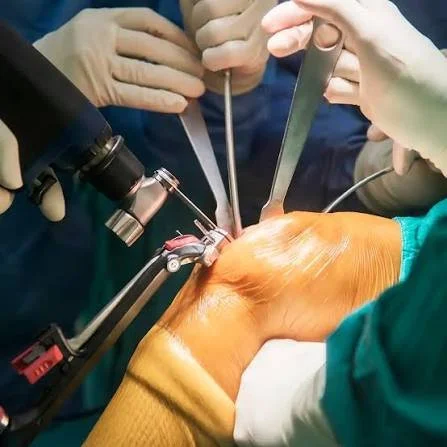
Trauma & Orthopaedic Surgery
Works on bones, joints and their associated soft tissues, including ligaments, nerves and muscles. Trauma work involves fractures and other injuries. Specialist areas include: lower limb joint reconstruction, hip or knee, ankle and foot, upper limb, spine, bone tumours, paediatric orthopaedics, rheumatoid surgery, and sports and exercise surgery.
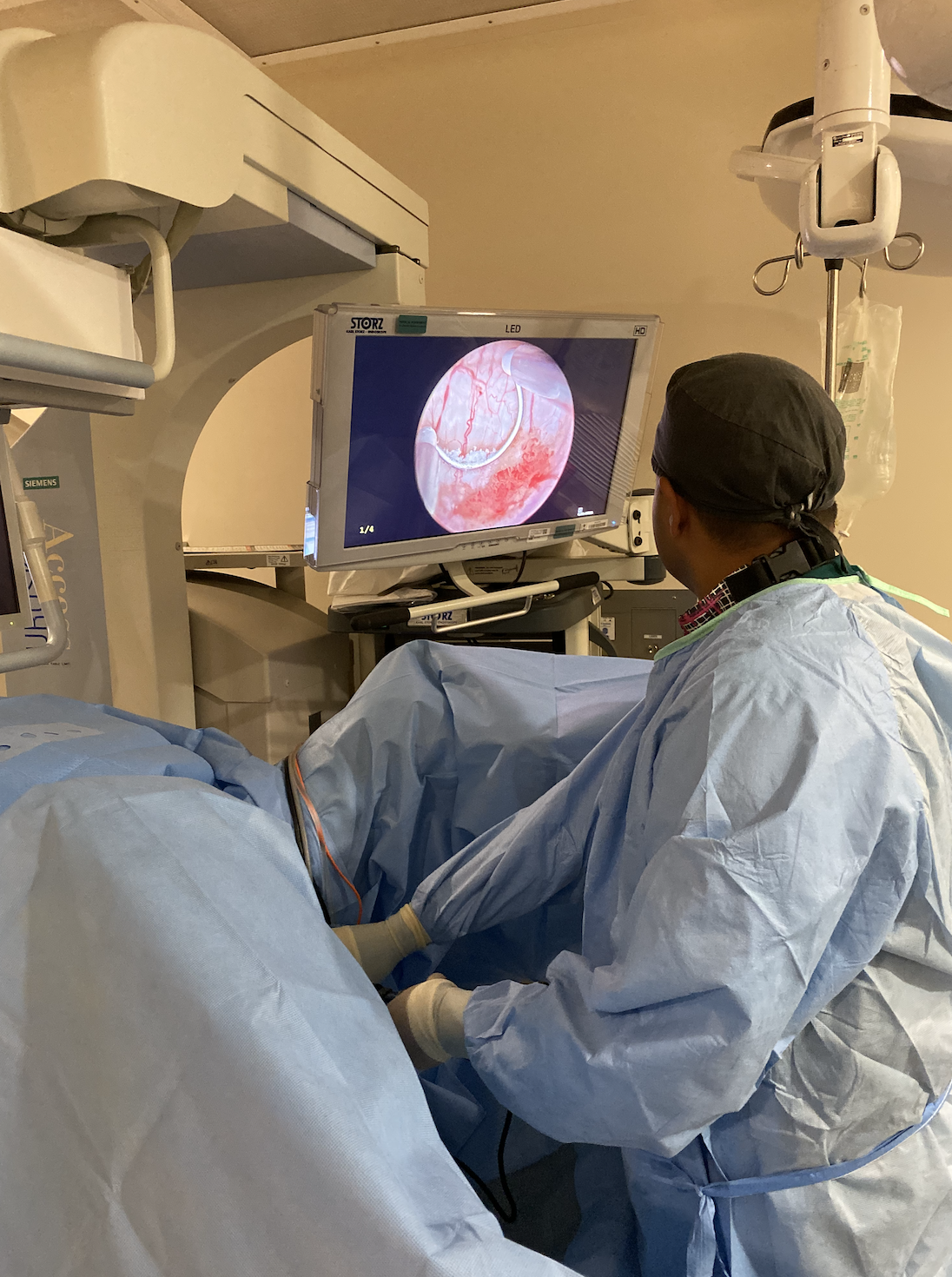
Urology
To be completed soon
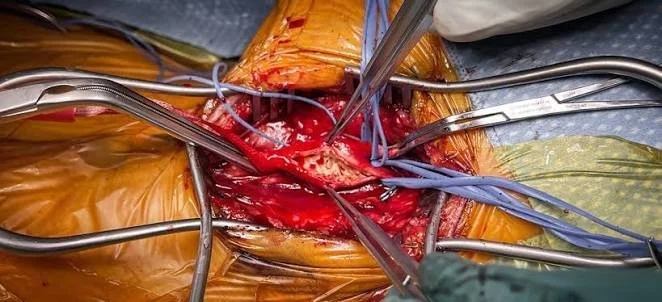
Vascular Surgery
Vascular surgeons deal with the veins and arteries. They are trained in the diagnosis and management of diseases affecting all parts of the vascular system. Common surgical procedures include carotid endarterectomy, angioplasty and lower limb bypass surgery.
Academic Surgery
To be completed soon.