
Vascular Surgery
Specialty Champions
2024-2025: Oliver Wynne & Matthew Irvine
2025-2026: Hiya Grover & Divyashni Gunasaegaram
What is Vascular Surgery?
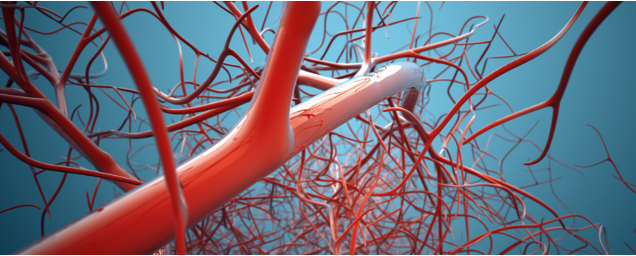
Vascular surgery is a specialty focusing on conditions affecting the blood vessels, including arteries, veins, and lymphatic systems. These structures are vital for circulating blood and nutrients throughout the body, and their dysfunction can lead to serious health issues, such as restricted blood flow, blood clots, or aneurysms.
Vascular surgeons are trained to treat a wide range of conditions, including peripheral arterial disease (PAD), aortic aneurysms, deep vein thrombosis (DVT), varicose veins, and carotid artery disease. They employ both surgical and minimally invasive techniques, depending on the complexity of the condition. For example, endovascular procedures, such as angioplasty and stenting, involve threading small instruments through blood vessels to restore proper circulation, while open surgeries may be necessary for more extensive repairs.
Ultimately, vascular surgery aims to restore and maintain healthy blood flow, through a series of life saving and life improving surgeries in a huge array of anatomical locations, enhancing patients' quality of life and reducing the risk of life-threatening complications
NHS Careers Website https://www.healthcareers.nhs.uk/explore-roles/doctors/roles-doctors/surgery/vascular-surgery
Good summary page online by the Vascular Society https://www.vascularsociety.org.uk/professionals/industries.aspx
Summary of vascular surgery created by RCS England https://www.rcseng.ac.uk/news-and-events/media-centre/media-background-briefings-and-statistics/vascular-surgery/
Training pathways of a Vascular Surgeon
Vascular surgery training used to be a subspecialty of general surgery where you decided later on in the training programme to specialise in vascular. Since 2021 you are able to specialise sooner. You complete 2 years of Core surgical training (CT1 and CT2) after your foundation years (F1 and F2). After this you apply competitively for an ST3 place in the vascular surgery training programme. Specialty training lasts 6 years – ST3-ST8. After passing Intercollegiate Specialty Examination (FRCS) and receiving a Certificate of Completion of Training (CCT), you can apply for a consultant post.
BMJ Vascular Surgery Career Guide: https://www.bmj.com/careers/article/the-complete-guide-to-becoming-a-vascular-surgeon/
GMC Vascular Surgery curriculum https://www.gmc-uk.org/education/standards-guidance-and-curricula/curricula/vascular-surgery-curriculum
NHS Careers Site: https://www.healthcareers.nhs.uk/explore-roles/doctors/roles-doctors/surgery/vascular-surgery/training-and-development
Common conditions seen in Vascular Surgery
Peripheral Arterial Disease (PAD)
A condition where narrow arteries reduce blood flow to the limbs. It often causes pain or cramping during exercise
Abdominal Aortic aneurism
A bulge or weakening in the abdominal aorta that can rupture, leading to life threatening bleeding
Varicose veins
Swollen, twisted veins often visible under the skin, caused by valve dysfunction, leading to blood pooling in the legs
Chronic venous insufficiency (CVI)
A condition where damaged venous valves impair blood flow, causing swelling, skin changes and sometimes ulcers in the legs
Lymphoedema
Swelling in own or more limbs caused by a blockage in the lymphatic system leading to fluid retention and tissue swelling
Deep Vein Thrombosis
Formation of a blood clot in a deep vein, typically in the legs, which can cause swelling, pain and complications like a pulmonary embolism.
Aortic Dissection
A tear in the inner layer of the aorta, causing blood to flow between layers and potentially leading to rupture or organ ischaemia
Carotid Artery Stenosis
Narrowing of the carotid arteries due to atherosclerosis, increasing the risk of stroke
If you're looking for a comprehensive list of vascular surgery-related conditions that are tested on the MLA, refer to the official MLA Content Map provided by the GMC using the link provided: https://www.gmc-uk.org/-/media/documents/mla-content-map-_pdf-85707770.pdf
Common procedures performed in Vascular Surgery
Carotid Endarterectomy
A procedure to remove plaque from the carotid artery to prevent stroke.
Open Abdominal Aortic Aneurysm (AAA) Repair
Surgical repair of an AAA to prevent rupture.
Endovascular AAA repair (EVAR)
An endovascular procedure to repair aortic aneurysms using stent grafts.
Angioplasty and Stenting
Widening narrowed blood vessels with a balloon and placing stents to maintain patency.
Varicose vein Treatment
Procedures like laser therapy, sclerotherapy, or vein stripping to treat varicose veins.
Peripheral Bypass Surgery
Creation of a detour around a blocked artery in the legs to improve blood flow.
Venous Thrombectomy
Surgical removal of a clot from a vein, often used in severe cases of DVT.
Learning resources for Vascular Surgery
Essential Surgery
The latest edition of Essential Surgery was released in 2019 and is the recommended textbook for the MRCS exams. Older editions are significantly cheaper and contain nearly identical content. These can be easily found on Amazon.
Essential Surgery on Amazon: https://www.amazon.co.ukOnline Guides and Tutorials
Websites like OSCEGuide, Geeky Medics, and Zero to Finals offer excellent resources for practising OSCE stations relevant to vascular surgery. They include step-by-step guides for examining pulses, assessing ulcers, and identifying vascular disease.
OSCEGuide: https://www.osceguide.com
Geeky Medics: https://www.geekymedics.com
Zero to Finals: https://www.zerotofinals.comVascular Society Patient Resources
The "Patients" section of the Vascular Society website is highly beneficial for medical student revision. It provides detailed information on vascular conditions and procedures.
https://www.vascularcures.org/patients/patient-resources/?gad_source=1Podcasts
For those who prefer podcasts, Behind the Knife and The Aortic Dissection Podcast are highly recommended. They provide insightful discussions on various aspects of vascular surgery.
Behind the Knife: https://www.behindtheknife.org
The Aortic Dissection Podcast: https://aorticdissectionpodcast.buzzsprout.com
Royal College governance and training in Vascular Surgery
Vascular surgery training in the UK is overseen by the Intercollegiate Surgical Curriculum Programme (ISCP) and governed by the Royal College of Surgeons of England, Edinburgh, and Ireland. Selection of a college depends on personal preference and geographical logistics
Professional organisations related to Vascular Surgery
The Vascular Society is a multidisciplinary organisation for professionals in vascular surgery, interventional radiology, nursing, and physiotherapy. It hosts the main UK vascular conference annually.
The Vascular Society: https://www.vascularsociety.org.uk
The Rouleaux Club represents vascular surgery trainees and offers free membership for students. It organises vascular skills courses at the Vascular Society conference and leads initiatives like the ASPIRE Junior series, aimed at medical students. Live participation in ASPIRE webinars provides certificates valuable for CVs, e-portfolios, and specialty applications.
Rouleaux Club: https://www.rouleauxclub.com
Staying updated with information about Vascular Surgery
An easy way to stay involved is by following these organisations on Twitter, where updates on webinars, conferences, and prizes are frequently shared. You'll also find accounts linked to clinical trials and influential figures in training provision.
@RouleuxClub
@VSGBI
European Society of vascular surgery